
Shipping and logistics are essential to Pakistan’s trade and economic activity. As businesses increasingly connect with international suppliers and customers, the logistics industry continues to evolve.
Technology, changing customer expectations, digital documentation, infrastructure development, and new trade opportunities are influencing how cargo is transported and managed.
Understanding these developments can help Pakistani businesses prepare for the future.
Digital Transformation
One of the most important trends in logistics is digitalization. Businesses increasingly expect online access to shipment information, electronic documentation, tracking, and faster communication.
Digital systems can help reduce manual processes and improve the flow of information between businesses, shipping companies, carriers, and other stakeholders.
Greater Shipment Visibility
Customers want to know where their cargo is and when they can expect delivery. Shipment tracking is therefore becoming an increasingly valuable part of modern logistics.
Better visibility can help businesses manage inventory and customer expectations while responding more quickly when transportation issues arise.
Growth of E-Commerce
E-commerce continues to influence logistics around the world. Businesses selling products online need dependable transportation solutions that can connect suppliers, warehouses, and customers.
As online commerce develops, shipping companies will need to support businesses with flexible and efficient logistics arrangements.
Multimodal Transportation
Modern supply chains often depend on more than one transportation method. Cargo may move through a combination of sea, air, road, and other logistics networks before reaching its final destination.
Effective coordination between these transportation modes can help businesses create more flexible supply chains.
Port and Infrastructure Development
Pakistan’s maritime infrastructure remains an important part of the country’s international trade network. Continued investment and development around ports, transportation links, and logistics infrastructure can influence the efficiency of cargo movement.
Businesses should monitor these developments as they plan their long-term shipping strategies.
More Focus on Efficiency
Businesses are increasingly looking beyond basic freight prices. They want logistics partners who can provide dependable coordination, clear communication, shipment visibility, and practical solutions.
This means shipping companies must focus on the overall customer experience rather than transportation alone.
Canyon Shipping Pakistan
At Canyon Shipping Pakistan, we believe the future of logistics depends on combining professional expertise with modern shipping practices.
Our goal is to help businesses manage their international cargo requirements through organized shipping and logistics solutions. By understanding each shipment’s requirements, businesses can develop transportation strategies that support their operations and growth.
Preparing for the Future
The logistics industry will continue to change as technology, international trade, customer expectations, and infrastructure develop.
For Pakistani importers and exporters, preparing for these changes means investing in better planning, accurate documentation, reliable logistics partnerships, and improved shipment visibility.
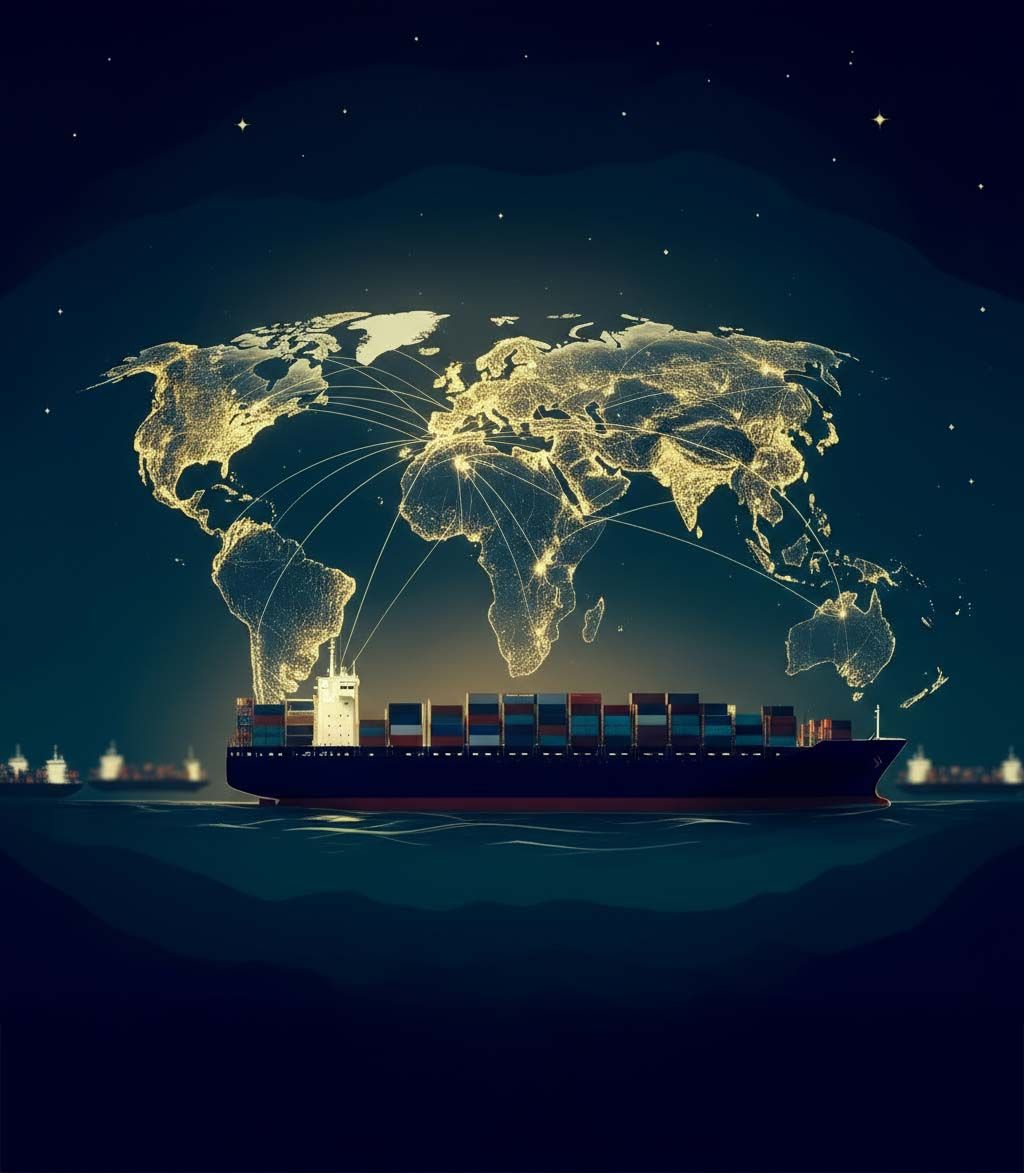
The future of shipping is not simply about moving goods faster. It is about creating a more connected, transparent, and efficient supply chain that helps businesses compete in an increasingly interconnected global marketplace.