

The Future of Shipping and Logistics in Pakistan: Trends Businesses Should Watch

Shipping and logistics are essential to Pakistan’s trade and economic activity. As businesses increasingly connect with international suppliers and customers, the logistics industry continues to evolve. Technology, changing customer expectations, digital documentation, infrastructure development, and new trade opportunities are influencing how cargo is transported and managed. Understanding these developments can help Pakistani businesses prepare for the future. Digital Transformation One of the most important trends in logistics is digitalization. Businesses increasingly expect online access to shipment information, electronic documentation, tracking, and faster communication. Digital systems can help reduce manual processes and improve the flow of information between businesses, shipping companies, carriers, and other stakeholders. Greater Shipment Visibility Customers want to know where their cargo is and when they can expect delivery. Shipment tracking is therefore becoming an increasingly valuable part of modern logistics. Better visibility can help businesses manage inventory and customer expectations while responding more quickly when transportation issues arise. Growth of E-Commerce E-commerce continues to influence logistics around the world. Businesses selling products online need dependable transportation solutions that can connect suppliers, warehouses, and customers. As online commerce develops, shipping companies will need to support businesses with flexible and efficient logistics arrangements. Multimodal Transportation Modern supply chains often depend on more than one transportation method. Cargo may move through a combination of sea, air, road, and other logistics networks before reaching its final destination. Effective coordination between these transportation modes can help businesses create more flexible supply chains. Port and Infrastructure Development Pakistan’s maritime infrastructure remains an important part of the country’s international trade network. Continued investment and development around ports, transportation links, and logistics infrastructure can influence the efficiency of cargo movement. Businesses should monitor these developments as they plan their long-term shipping strategies. More Focus on Efficiency Businesses are increasingly looking beyond basic freight prices. They want logistics partners who can provide dependable coordination, clear communication, shipment visibility, and practical solutions. This means shipping companies must focus on the overall customer experience rather than transportation alone. Canyon Shipping Pakistan At Canyon Shipping Pakistan, we believe the future of logistics depends on combining professional expertise with modern shipping practices. Our goal is to help businesses manage their international cargo requirements through organized shipping and logistics solutions. By understanding each shipment’s requirements, businesses can develop transportation strategies that support their operations and growth. Preparing for the Future The logistics industry will continue to change as technology, international trade, customer expectations, and infrastructure develop. For Pakistani importers and exporters, preparing for these changes means investing in better planning, accurate documentation, reliable logistics partnerships, and improved shipment visibility. The future of shipping is not simply about moving goods faster. It is about creating a more connected, transparent, and efficient supply chain that helps businesses compete in an increasingly interconnected global marketplace.
Shipping Documentation Explained: Essential Documents for International Cargo

Documentation is one of the most important parts of international shipping. Every shipment needs accurate information so that carriers, customs authorities, logistics providers, and receiving businesses can properly identify and process the cargo. For importers and exporters in Pakistan, understanding common shipping documents can help make the international transportation process more organized. Commercial Invoice A commercial invoice provides important information about the transaction between the seller and buyer. It may include details such as the description of goods, quantity, value, seller, buyer, and other relevant information. The information should accurately represent the shipment because the invoice can be important during customs and trade procedures. Packing List A packing list provides information about how the goods are packed. It may include details such as the number of packages, contents, weight, dimensions, and other shipment information. A clear packing list can help logistics teams and receiving parties identify and handle cargo correctly. Bill of Lading For sea freight, the bill of lading is an important shipping document. It contains information related to the shipment, cargo, shipper, consignee, and transportation arrangements. The document plays an important role in the movement and handling of ocean cargo. Air Waybill For air freight shipments, an air waybill is commonly used to document the transportation arrangement. It contains important information about the shipment and the parties involved. It also helps identify and manage air cargo throughout its transportation process. Certificate of Origin A certificate of origin identifies the country where goods originate. Depending on the shipment and destination, this document may be required for trade or customs purposes. Businesses should understand the specific requirements applicable to their products and destination. Other Documents Depending on the cargo, destination, and applicable regulations, additional documentation may be required. Certain products can have specific regulatory, safety, quality, or inspection requirements. This is why businesses should review documentation requirements before shipping rather than waiting until cargo is ready for departure. Why Accuracy Matters Even a small documentation error can create unnecessary delays or additional administrative work. Product descriptions, quantities, weights, values, addresses, and other shipment details should be checked carefully. Businesses should also make sure that the information across different documents is consistent. Get Professional Shipping Support Managing international shipping documentation can be challenging, particularly for businesses that are new to importing or exporting. Canyon Shipping Pakistan helps customers coordinate their shipping requirements and understand the documentation involved in their cargo movements. Our goal is to make the logistics process more structured and easier to manage. Prepare Before You Ship Good documentation begins before cargo leaves the warehouse. By identifying requirements early, checking shipment information, and working with an experienced shipping partner, businesses can reduce avoidable complications. Accurate documentation is not simply paperwork. It is an essential part of moving cargo efficiently through the international supply chain.
The Role of Technology in Modern Shipping and Logistics in Pakistan
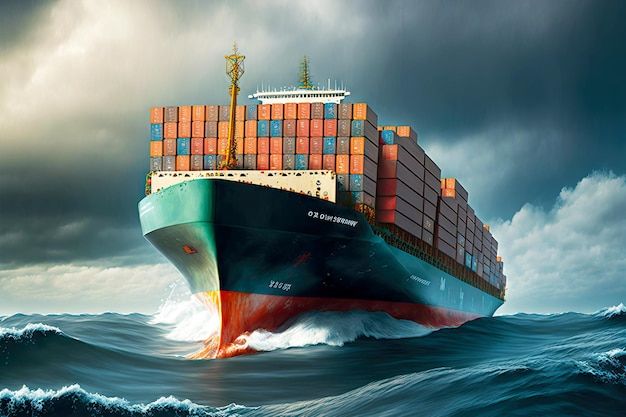
umentation and online communication to shipment tracking and automated systems, technology is helping companies improve visibility and coordination throughout the supply chain. For Pakistani businesses involved in international trade, digital logistics can provide new ways to manage cargo and communicate with shipping partners. Real-Time Shipment Visibility One of the most useful developments in modern logistics is shipment tracking. Businesses increasingly want to know where their cargo is and what stage of transportation it has reached. Tracking systems can provide greater visibility and help businesses plan inventory, communicate with customers, and respond to potential delays. Digital Documentation Shipping involves a significant amount of documentation. Digital systems can help businesses create, exchange, and manage information more efficiently. Reducing reliance on manual paperwork can make communication faster and help minimize errors caused by repeatedly entering the same information. Faster Communication International shipments involve multiple parties, often located in different countries and time zones. Digital communication allows businesses, logistics providers, suppliers, carriers, and customers to exchange important shipment information quickly. Fast communication can be particularly useful when changes need to be made to shipping arrangements. Data and Better Planning Modern logistics systems can also provide useful data. Businesses can review shipment histories, delivery times, transportation costs, and other operational information. This information can help companies identify patterns and make more informed decisions about future shipping arrangements. Improving Customer Experience Customers increasingly expect transparency when purchasing products internationally. Shipment updates and tracking information can give customers greater visibility into the delivery process. For businesses, better communication can strengthen customer service and reduce uncertainty surrounding international deliveries. Technology and Pakistan’s Logistics Industry As Pakistan’s trade and logistics sector continues to adopt digital solutions, technology is becoming increasingly important in connecting businesses with transportation and trade processes. Digital transformation can support more efficient information exchange and help reduce unnecessary delays across different stages of the supply chain. Canyon Shipping Pakistan and Modern Logistics At Canyon Shipping Pakistan, we recognize the importance of efficient communication, organized shipment management, and visibility in modern logistics. Technology is not a replacement for experienced logistics professionals. Instead, it provides tools that can help shipping companies and customers coordinate cargo more effectively. The Future of Shipping The future of logistics will likely involve greater integration between digital platforms, transportation networks, tracking systems, documentation, and customer communication. For Pakistani businesses, adopting modern logistics practices can help create a more organized and transparent shipping experience. Technology is ultimately valuable when it solves real logistics problems. Combined with professional planning and reliable transportation, digital tools can help businesses manage international shipping more efficiently.
How to Reduce International Shipping Costs Without Sacrificing Reliability

International shipping is an essential expense for many importers, exporters, manufacturers, wholesalers, and retailers. When transportation costs increase, businesses naturally look for ways to reduce their logistics expenses. However, choosing the cheapest available option is not always the best strategy. A low shipping price may not provide the delivery time, handling requirements, service level, or reliability that a business needs. The goal should be to achieve a practical balance between cost, service, and reliability. Choose the Right Transportation Method One of the most important ways to manage shipping costs is selecting the appropriate transportation method. Sea freight can be considered for larger shipments where delivery speed is less critical. Air freight may be more appropriate for urgent or time-sensitive cargo. Selecting transportation according to the shipment’s actual requirements can help businesses avoid paying for unnecessary speed or capacity. Plan Shipments in Advance Last-minute shipping arrangements can create additional pressure on businesses. Advance planning gives companies more time to evaluate transportation options and prepare documentation. Where possible, businesses should establish shipping schedules based on inventory requirements, customer orders, and production timelines. Consolidate Cargo When Practical Businesses with smaller shipments may explore cargo consolidation where appropriate. Combining compatible shipments can help make better use of available transportation capacity. Whether consolidation is suitable depends on cargo characteristics, destination, timing, and logistics arrangements. Improve Packaging Proper packaging can help reduce damage and unnecessary handling problems. Cargo should be packed according to its type and transportation requirements. Efficient packaging can also help businesses use available cargo space more effectively while protecting goods during transportation. Keep Documentation Accurate Documentation errors can lead to delays and additional costs. Businesses should carefully check commercial invoices, packing lists, shipment details, consignee information, and other required documents before dispatch. Good documentation practices can help reduce avoidable problems during the shipping process. Work with an Experienced Shipping Partner A professional logistics partner can help businesses evaluate shipping options according to cargo requirements, destination, delivery timeline, and budget. At Canyon Shipping Pakistan, we understand that businesses need shipping solutions that balance cost and reliability. We work with customers to understand their cargo requirements and coordinate practical logistics arrangements. Think Beyond the Freight Rate The actual cost of shipping includes more than the basic transportation price. Businesses should also consider handling, documentation, customs-related requirements, storage, inland transportation, and potential delays. A well-planned shipment can help control these factors while maintaining a reliable logistics process. Build a Smarter Shipping Strategy Reducing shipping costs does not necessarily mean selecting the cheapest service. It means understanding your shipment and choosing the right combination of transportation, planning, packaging, documentation, and logistics support. With careful planning and the right shipping partner, businesses can work toward a more efficient supply chain while maintaining dependable cargo movement.
Karachi Port, Port Qasim & Gwadar: Understanding Pakistan’s Major Shipping Ports

nal and international maritime trade. Ports provide the connection between businesses, international shipping networks, suppliers, and customers around the world. For importers and exporters, understanding Pakistan’s major ports can provide useful insight into how international cargo moves through the country’s logistics network. Karachi Port Karachi Port is one of Pakistan’s major maritime gateways. Located in Karachi, it has historically played an important role in the country’s import and export activities. The port handles different types of commercial cargo and connects Pakistan with international shipping routes. Businesses shipping goods through Karachi can coordinate their cargo with shipping lines, freight forwarders, customs processes, and inland transportation. Port Qasim Port Qasim is another important commercial port serving Pakistan. Located near Karachi, it supports a wide range of cargo and industrial activities. Its location and connections with surrounding industrial and commercial areas make it an important part of the country’s overall logistics infrastructure. For businesses handling imports and exports, selecting the appropriate port can depend on cargo requirements, destination, shipping schedules, transportation arrangements, and other operational factors. Gwadar Port Gwadar Port is located in Balochistan on Pakistan’s southwestern coast. Its strategic location gives it significance within regional trade and connectivity discussions. The development of Gwadar is linked with broader infrastructure and trade initiatives aimed at strengthening connections between Pakistan and regional markets. Choosing the Right Port Businesses should consider several factors when planning an international shipment. These can include the cargo’s origin and destination, shipping schedules, available services, inland transportation, handling requirements, and overall logistics costs. A shipping or freight forwarding company can help businesses understand the available options and coordinate transportation according to their specific requirements. The Importance of Port-to-Destination Logistics Shipping does not end when cargo reaches a port. After arrival, goods may need customs clearance, handling, storage, and inland transportation before reaching their final destination. This makes coordination between maritime transportation and local logistics especially important. Canyon Shipping Pakistan Canyon Shipping Pakistan helps businesses manage their shipping and logistics requirements by coordinating cargo movement according to shipment needs. Whether goods are being imported into Pakistan or exported to international markets, effective planning can help create a smoother transportation process. Connecting Pakistan to Global Trade Pakistan’s ports are essential gateways for international commerce. Karachi Port, Port Qasim, and Gwadar each contribute to the country’s maritime and logistics infrastructure in different ways. For businesses involved in international trade, understanding port operations and selecting suitable logistics arrangements can help make cargo transportation more organized and efficient.
Why Reliable Freight Forwarding Matters for Pakistani Businesses

International trade involves much more than transporting cargo from one location to another. Businesses need to coordinate transportation, documentation, customs procedures, cargo handling, and delivery. This is where freight forwarding plays an important role. For Pakistani businesses involved in imports and exports, a reliable freight forwarding partner can help organize the different stages of the shipping process. What Is Freight Forwarding? Freight forwarding involves coordinating the movement of goods from one location to another through transportation networks. Depending on the shipment, this may involve sea freight, air freight, road transportation, ports, airports, warehouses, and other logistics services. A freight forwarder helps coordinate these activities so that businesses do not have to manage every part of the international transportation process independently. Better Shipment Coordination International shipments often involve multiple parties. These may include suppliers, carriers, ports, customs authorities, warehouses, transport providers, and receivers. Effective coordination helps ensure that information and cargo move through the supply chain in an organized manner. A professional freight forwarding partner can act as a central point of coordination for the shipment. Documentation Support Shipping documentation is another important part of freight forwarding. Incorrect or incomplete information can cause delays and create additional work. Freight forwarding services can help businesses organize the documents and shipment information required for transportation and applicable customs procedures. Choosing the Right Transportation Method Different shipments have different requirements. A business shipping a large quantity of commercial goods may consider sea freight, while a company with an urgent shipment may consider air freight. Freight forwarding allows businesses to evaluate transportation options according to cargo characteristics, destination, delivery requirements, and budget. Supporting Business Growth Reliable logistics can become an important part of business growth. As companies expand into new markets, their shipping requirements can become more complex. A structured logistics process allows businesses to focus more on their core operations while their cargo transportation is coordinated through an experienced partner. Canyon Shipping Pakistan At Canyon Shipping Pakistan, we understand the importance of reliable logistics for businesses involved in international trade. Our approach focuses on coordinating shipping requirements according to the nature of the cargo, destination, and customer requirements. From freight arrangements to shipment coordination, our goal is to provide practical logistics support that helps businesses move their goods more efficiently. Build a More Organized Supply Chain Freight forwarding is an important part of modern international trade. It brings together transportation, documentation, cargo handling, and logistics coordination into a structured process. For Pakistani importers and exporters, working with a dependable shipping and freight forwarding partner can help simplify international cargo movement and provide greater confidence throughout the shipping journey.
A Complete Guide to Importing Goods into Pakistan

Pakistan imports a wide range of products and materials for businesses, manufacturers, retailers, and consumers. Companies may import machinery, raw materials, electronics, industrial equipment, consumer products, spare parts, and many other goods from international suppliers. However, importing involves several stages, including international transportation, documentation, customs procedures, cargo handling, and inland delivery. Understanding the process can help importers plan their shipments more effectively. Start with the Supplier and Cargo Details The import process begins with confirming the supplier, products, quantities, packaging, and destination. Importers should have accurate information about the cargo before arranging transportation. Weight, dimensions, product type, and packaging can influence shipping arrangements and costs. Providing accurate cargo information to your logistics partner is therefore important. Select the Appropriate Shipping Method Depending on the shipment, businesses may choose sea freight or air freight. Sea freight can be suitable for large and heavy commercial shipments where delivery time allows for ocean transportation. Air freight can be considered when speed is important or when the shipment is relatively smaller and time-sensitive. The appropriate option depends on the nature of the cargo, destination, timeline, and budget. Prepare Import Documentation Documentation is a critical part of international shipping. Depending on the goods and applicable requirements, import documentation may include commercial invoices, packing lists, bills of lading or air waybills, certificates of origin, and other relevant documents. Importers should ensure that the information on their documents matches the actual shipment. Accurate product descriptions, quantities, values, and consignee information can help prevent unnecessary complications. Customs Clearance When goods arrive in Pakistan, they may need to complete the applicable customs procedures before being released. The requirements can vary depending on the nature of the imported goods and the applicable regulations. Professional logistics support can help importers coordinate documentation and communication throughout the shipping and clearance process. Delivery After Clearance Once cargo has completed the required procedures, it can move toward its final destination. Depending on the arrangement, this may involve transportation from the port or airport to a warehouse, factory, office, retail location, or another delivery address. Efficient coordination between international shipping and local transportation is important for maintaining a smooth supply chain. Simplify Your Import Logistics Importing goods requires careful planning from the supplier’s location to the final destination. Choosing the right shipping method, preparing accurate documentation, and coordinating cargo movement can make a significant difference. Canyon Shipping Pakistan supports businesses with shipping and logistics solutions designed around their cargo and destination requirements. Our aim is to help customers coordinate their shipments efficiently and confidently. For businesses importing goods into Pakistan, good logistics planning is not simply about moving cargo. It is about creating a structured process that keeps transportation, documentation, and delivery working together.
How to Export Goods from Pakistan: A Step-by-Step Shipping Guide

has a diverse export sector, with businesses supplying products to customers and companies across international markets. From textiles and garments to sports goods, leather products, rice, surgical instruments, and manufactured goods, Pakistani exporters depend on reliable logistics to move products from local facilities to overseas destinations. For new exporters, understanding the basic shipping process can make international trade easier to manage. 1. Prepare Your Goods The process begins with preparing the products for export. Goods should be properly packed, labeled, and prepared according to their nature and destination requirements. Packaging should protect products during handling, transportation, loading, unloading, and storage. Fragile or sensitive products may require additional protective materials. 2. Confirm Your Destination and Shipping Requirements Before arranging transportation, exporters should confirm the destination, consignee details, cargo quantity, dimensions, weight, and required delivery schedule. These details help determine the appropriate transportation method and shipping arrangements. 3. Prepare the Required Documents International exports require accurate documentation. Depending on the shipment and destination, exporters may need documents such as commercial invoices, packing lists, certificates of origin, bills of lading, and other applicable trade documents. Accurate documentation is essential because incorrect information can create unnecessary delays during customs or transportation. 4. Arrange Freight Exporters can select an appropriate transportation method based on cargo requirements and delivery priorities. Sea freight is commonly used for larger shipments, while air freight can be considered for urgent or time-sensitive cargo. A shipping company or freight forwarding partner can help coordinate the transportation process. 5. Customs Clearance Before goods leave Pakistan, the shipment must go through the applicable export and customs procedures. Proper documentation and accurate cargo information can help make this process more organized. Businesses should ensure that all required information is available before the shipment reaches the relevant stage of clearance. 6. Cargo Transportation Once the necessary procedures have been completed, cargo can proceed through the transportation network toward its international destination. Depending on the shipping arrangement, the shipment may move through ports, airports, warehouses, or other logistics facilities. Tracking and communication throughout the process can give businesses better visibility of their shipment. Work with a Professional Shipping Partner Exporting involves more than simply moving goods from one country to another. Documentation, transportation, cargo handling, customs procedures, and delivery coordination all contribute to a successful shipment. Canyon Shipping Pakistan provides shipping and logistics support for businesses looking to move cargo from Pakistan to international destinations. Our focus is on helping customers coordinate their shipping requirements with practical and reliable solutions. Start Your Export Journey with Better Planning Successful exporting begins with preparation. By organizing cargo, documentation, transportation, and delivery requirements in advance, businesses can reduce avoidable problems and manage international shipments more efficiently. Whether you are an experienced exporter or entering an international market for the first time, having the right shipping partner can make the process easier to navigate.
Sea Freight vs. Air Freight: Which Shipping Method Is Right for Your Business?
Choosing the right transportation method is one of the most important decisions when shipping goods internationally. Two of the most commonly used options are sea freight and air freight. Both offer different advantages, and the right choice depends on factors such as cargo size, delivery requirements, budget, and destination. Understanding the differences between sea freight and air freight can help businesses make better shipping decisions. What Is Sea Freight? Sea freight involves transporting cargo by ship between ports. It is widely used for large, heavy, or high-volume shipments. Businesses that regularly move commercial goods internationally often use sea transportation because ships can carry substantial quantities of cargo. Sea freight can be particularly useful when delivery speed is not the primary concern. Businesses can plan shipments in advance and select appropriate container or cargo arrangements based on their requirements. Another important advantage is flexibility for larger shipments. Different types of cargo can be transported by sea depending on packaging, container requirements, and applicable shipping regulations. What Is Air Freight? Air freight involves transporting goods by aircraft. It is generally selected when speed is an important consideration. Businesses shipping urgent documents, samples, electronics, valuable products, or time-sensitive commercial goods may consider air transportation. Because aircraft offer faster transit compared with ocean transportation, air freight can help businesses respond quickly to customer orders and urgent supply requirements. However, air freight is generally more sensitive to cargo weight and volume, making it important to evaluate the total shipping cost before selecting this option. Which Option Should You Choose? The decision between sea freight and air freight depends on your specific shipment. Sea freight may be appropriate when: Air freight may be appropriate when: Consider More Than Price Businesses should avoid choosing a transportation method based only on the initial freight price. Delivery time, cargo characteristics, handling requirements, destination, documentation, and potential delays should also be considered. A professional shipping partner can help you understand these factors and identify a transportation solution that fits your requirements. Shipping Solutions from Pakistan At Canyon Shipping Pakistan, we help businesses manage their shipping requirements by considering their cargo, destination, timing, and logistics needs. Whether your shipment requires sea freight or air freight, proper planning can make the transportation process more organized and efficient. The best shipping method is ultimately the one that balances cost, speed, cargo requirements, and business priorities. Understanding the differences between sea and air freight is the first step toward making an informed shipping decision.
International Shipping from Pakistan: A Complete Guide for Businesses

International shipping plays an important role in helping Pakistani businesses connect with customers, suppliers, and markets around the world. Whether a company exports textiles, garments, leather products, sports goods, machinery, food products, or other commercial items, choosing the right shipping solution can make international trade easier and more efficient. For businesses new to international shipping, the process may seem complicated. It involves cargo preparation, documentation, freight arrangements, customs procedures, transportation, and delivery. Working with an experienced shipping and logistics partner can help businesses coordinate these steps more effectively. Understanding Your Shipping Requirements The first step is to understand the nature of your shipment. Businesses should consider the type of goods, total weight and volume, destination, required delivery time, and budget. These factors help determine whether sea freight, air freight, or another transportation method is appropriate. For large and heavy shipments, sea freight is commonly considered because it can accommodate substantial cargo volumes. Air freight may be more suitable when speed is a priority or when the shipment consists of smaller, time-sensitive goods. Preparing Your Cargo Proper cargo preparation is essential for safe international transportation. Goods should be packed according to their characteristics and the requirements of the transportation method. Fragile products may require additional protection, while heavy or industrial cargo may require specialized packing or handling. Accurate labeling is equally important. Shipping labels should contain the necessary information so cargo can be identified and handled correctly throughout its journey. Documentation and Customs International shipments require appropriate documentation. Depending on the nature and destination of the cargo, documents may include commercial invoices, packing lists, bills of lading, certificates of origin, and other trade or customs documents. Errors or missing information can cause delays. Businesses should therefore ensure that shipment details, product descriptions, quantities, values, and consignee information are accurate before cargo is dispatched. Choosing the Right Shipping Partner A reliable shipping company can help businesses coordinate important parts of the logistics process. From arranging transportation and managing shipping documentation to coordinating cargo movement, professional logistics support can reduce the complexity of international trade. At Canyon Shipping Pakistan, we understand that every shipment has different requirements. Our goal is to help businesses manage their international shipping needs with practical and dependable logistics solutions. Make International Shipping Easier Successful international shipping requires planning, accurate documentation, suitable transportation, and effective coordination. By understanding the shipping process and working with an experienced logistics partner, Pakistani businesses can move their goods more confidently across international markets. Whether you are an established exporter or preparing your first international shipment, Canyon Shipping Pakistan can support your shipping and logistics requirements with solutions designed around your cargo and destination.