Choosing the right transportation method is one of the most important decisions when shipping goods internationally. Two of the most commonly used options are sea freight and air freight. Both offer different advantages, and the right choice depends on factors such as cargo size, delivery requirements, budget, and destination.
Understanding the differences between sea freight and air freight can help businesses make better shipping decisions.
What Is Sea Freight?
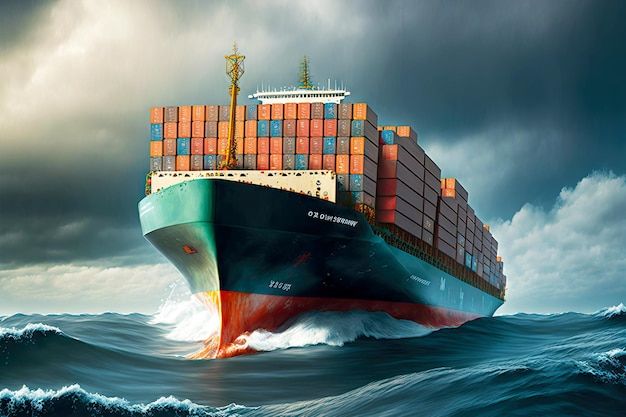
Sea freight involves transporting cargo by ship between ports. It is widely used for large, heavy, or high-volume shipments. Businesses that regularly move commercial goods internationally often use sea transportation because ships can carry substantial quantities of cargo.
Sea freight can be particularly useful when delivery speed is not the primary concern. Businesses can plan shipments in advance and select appropriate container or cargo arrangements based on their requirements.
Another important advantage is flexibility for larger shipments. Different types of cargo can be transported by sea depending on packaging, container requirements, and applicable shipping regulations.
What Is Air Freight?
Air freight involves transporting goods by aircraft. It is generally selected when speed is an important consideration. Businesses shipping urgent documents, samples, electronics, valuable products, or time-sensitive commercial goods may consider air transportation.
Because aircraft offer faster transit compared with ocean transportation, air freight can help businesses respond quickly to customer orders and urgent supply requirements.
However, air freight is generally more sensitive to cargo weight and volume, making it important to evaluate the total shipping cost before selecting this option.
Which Option Should You Choose?
The decision between sea freight and air freight depends on your specific shipment.
Sea freight may be appropriate when:
- You are shipping large or heavy cargo.
- Your shipment is not extremely time-sensitive.
- You need to transport substantial volumes.
- You want to plan transportation around a longer delivery schedule.
Air freight may be appropriate when:
- Your shipment is urgent.
- Fast delivery is important.
- You are shipping relatively smaller or high-value goods.
- Delays could affect your customers or business operations.
Consider More Than Price
Businesses should avoid choosing a transportation method based only on the initial freight price. Delivery time, cargo characteristics, handling requirements, destination, documentation, and potential delays should also be considered.
A professional shipping partner can help you understand these factors and identify a transportation solution that fits your requirements.
Shipping Solutions from Pakistan
At Canyon Shipping Pakistan, we help businesses manage their shipping requirements by considering their cargo, destination, timing, and logistics needs. Whether your shipment requires sea freight or air freight, proper planning can make the transportation process more organized and efficient.
The best shipping method is ultimately the one that balances cost, speed, cargo requirements, and business priorities. Understanding the differences between sea and air freight is the first step toward making an informed shipping decision.